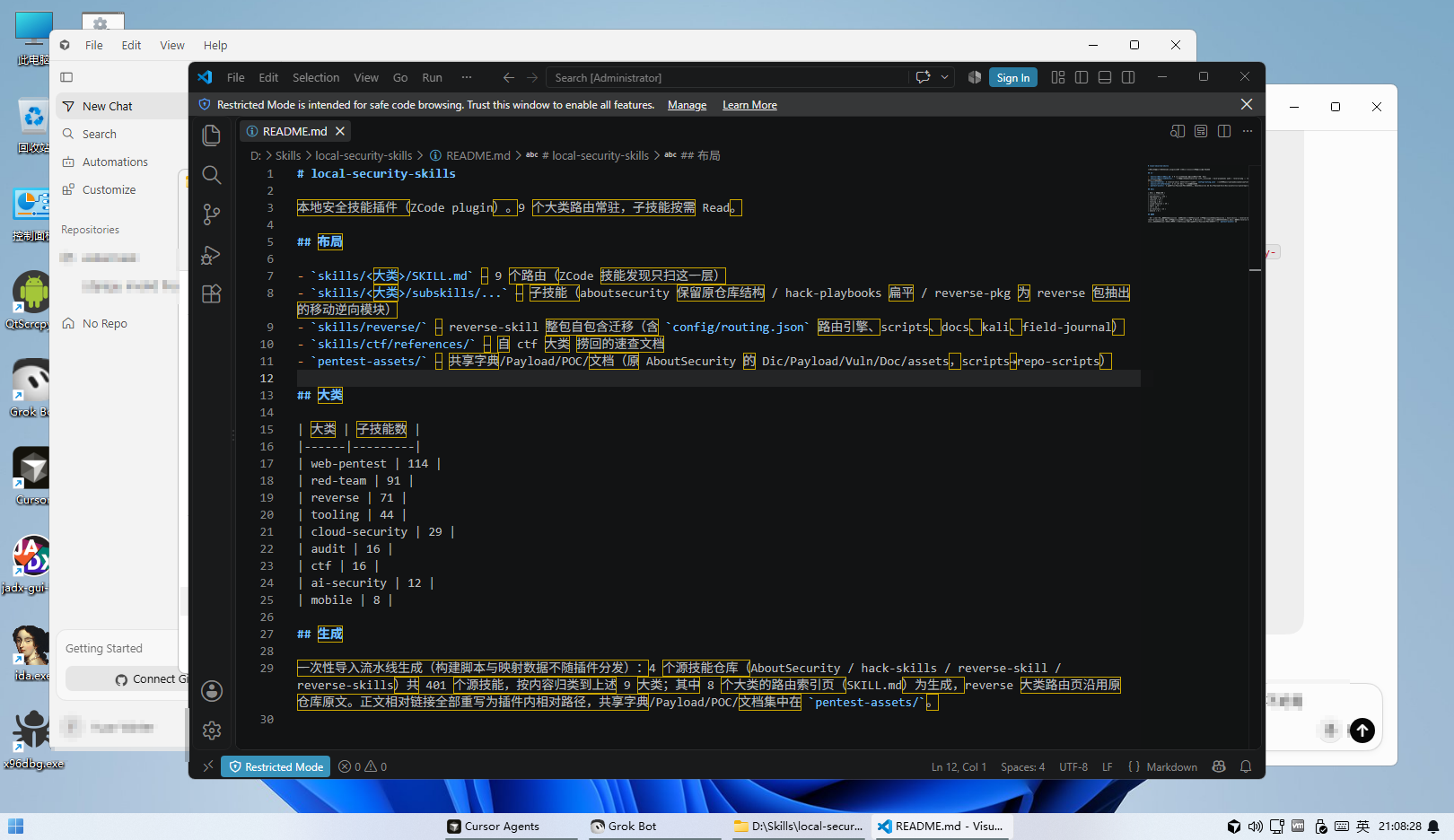




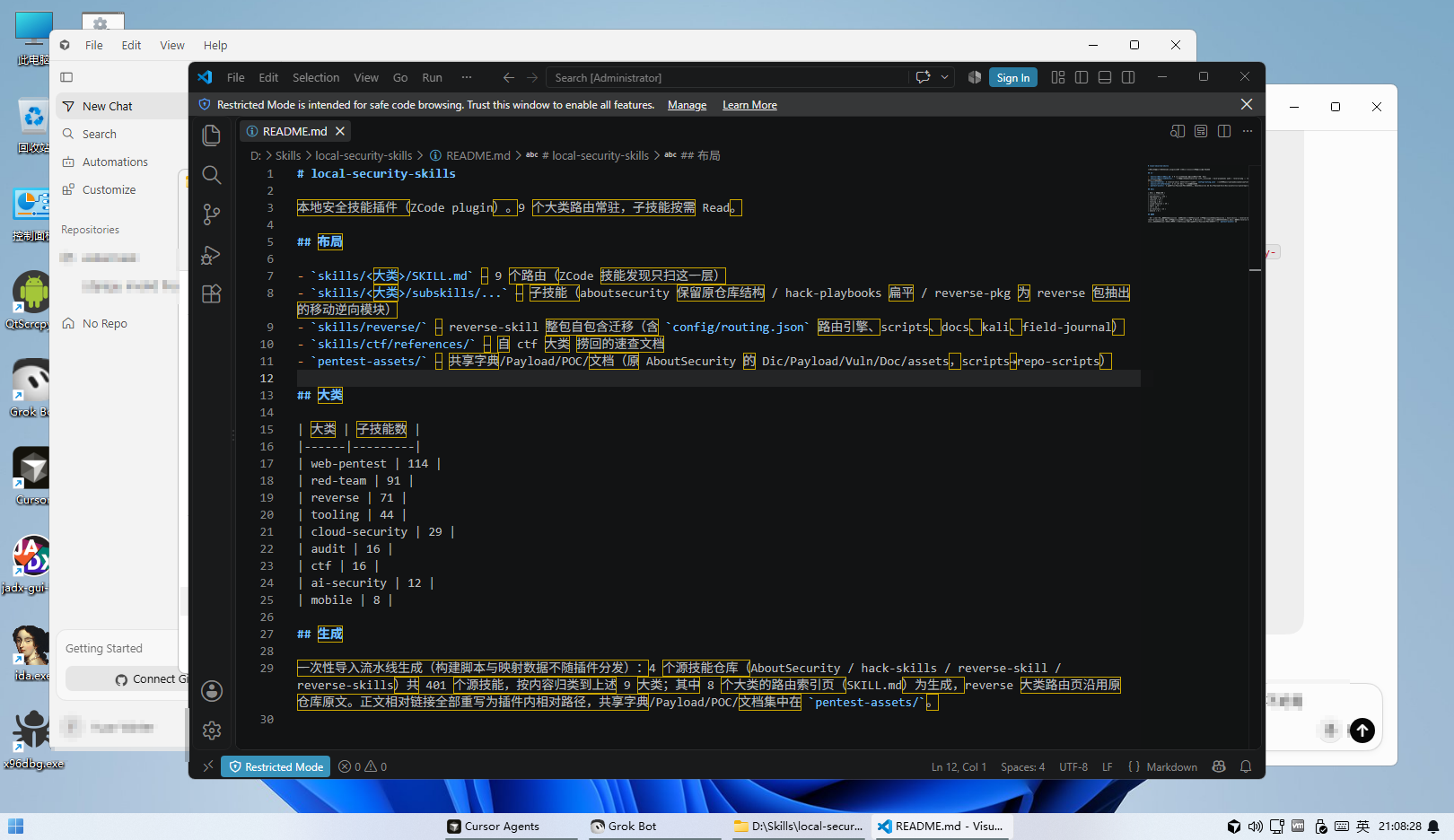
因为有个本地qwen3.8,晚上睡觉可以无限火力的让他自己去嗷嗷苦干,所以就适配了一下ZCode的Plugin模块+隐式二级传递。ZCode用起来感觉还行主要是自定义化程度适中,自己没有时间去重新写一套dsh的plugin,也不喜欢在主力机器上面装cc和codex
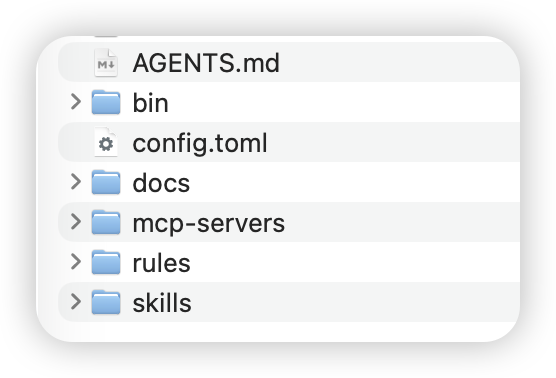
个人一共整合了
https://github.com/P4nda0s/reverse-skills
https://github.com/wgpsec/AboutSecurity
https://github.com/yaklang/hack-skills
其中hack-skills作为板块大类内的方法论总结与指导,二级目录下的subskills由狼队的AboutSecurity作为场景刻画与行动指南,实测效果尚佳。Skills的作用在于给低参数量模型提供一套现成的好学生作业来照抄,具体的使用效果以使用者自身水平下发的目标准确性为主。
reverse-skills作为mobile板块内单独的reverse板块,因为写frida的总结很到位,很多国模记忆里的frida写法都是老一套的,用skills强制规范会到位不少。
不同的Agent请自行适配。
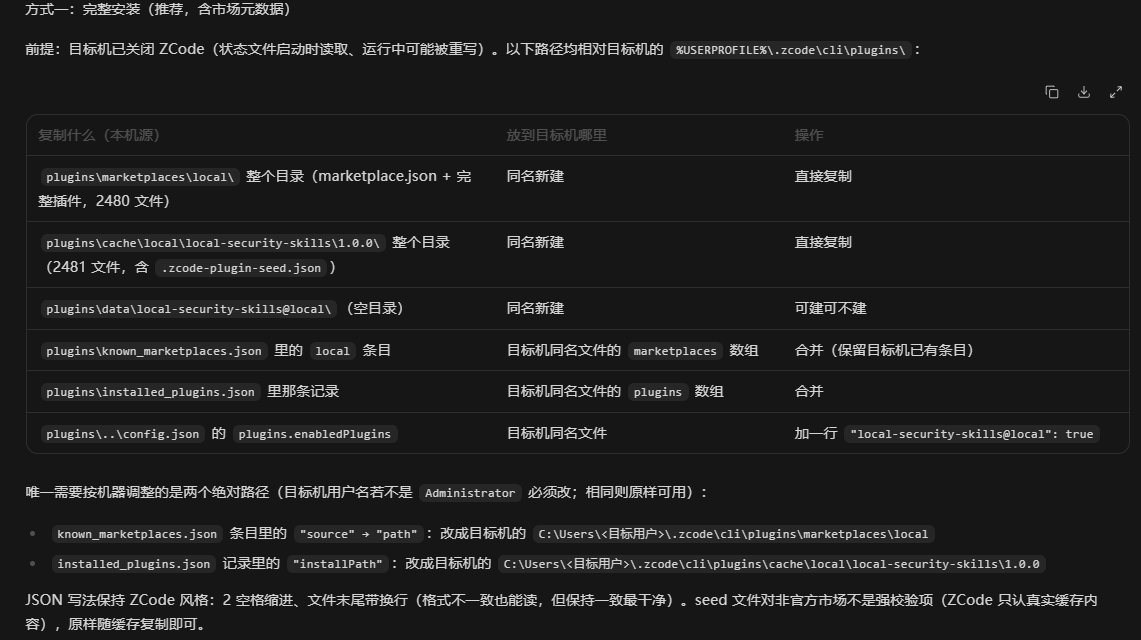
ZCode Win 3.10.2 自定义模型 思考程度透传分析思路
`resources\glm\zcode.cjs`
- 白名单 =
F1o:zcode.cjs里 modelId→能力默认的数组,由K$(resolveModelCapabilityDefaults) /qmr(applyModelCapabilityDefaults) 在每次目录加载时对所有 provider按matches逐条套用。 原 18 条里没有匹配custom-models的条目。 - Patch A(F1o 追加 1 条,自寻址、幂等):匹配
custom-models,anthropic,levels=[low,medium,xhigh,off],defaultLevel=medium(默认开启深度思考)。 - Patch B(anthropic builder thinking 门,@~4202946):
- 原代码:
$=ue==="enabled"||ue==="adaptive"→ 仅 enabled/adaptive 才把thinking写进请求体; 当type==="disabled"(即 off 档)时,thinking块被省略。 - 改为:
$=ue==="enabled"||ue==="adaptive"||ue==="disabled"→ 让off档把thinking:{type:"disabled"}显式写到线上。
- 原代码:
- wire(claude-effort 方式,每档):
low/medium/xhigh→anthropic:{effort:<level>, thinking:{type:"enabled", budgetTokens:4000/8000/32000}}→ 请求体产出thinking:{type:"enabled",budget_tokens:N}+output_config:{effort:<level>}。off→anthropic:{thinking:{type:"disabled"}}→ 请求体产出thinking:{type:"disabled"}(Patch B 后)。
- 预算沿用 ZCode 内置 Claude 约定(
k1o/y1o):low=4000、medium=8000、xhigh=32000。 - 实测(live API,
test-custom-off.js,走ai.example.com):- 后端 model 字段 =
qwen3.8-27b(证实 custom-models 就是 qwen3.8)。 - off 关键发现:请求体省略
thinking字段时,后端默认开启思考(has_thinking_block=true); 只有显式发thinking:{type:"disabled"}才真正关闭(has_thinking_block=false,output_tokens=2,text=OK)。 - 不同 effort/budget 会缩放思考长度:low(4000)→22、medium(8000)→22、xhigh(32000)→22(短提示词下差异小); 在更长的任务提示词下,之前实测为 low 27 / medium 122 / xhigh 245(
test-custom-api.js)。
- 后端 model 字段 =
1. Patch A:F1o 白名单条目(逐字,与 patcher 内一致)
{defaults:{replaceReasoning:!0,supportsReasoning:!0,reasoning:{enabled:!0,levels:["low","medium","xhigh","off"],defaultLevel:"medium",providerOptionsByLevel:{low:{anthropic:{effort:"low",thinking:{type:"enabled",budgetTokens:4000}}},medium:{anthropic:{effort:"medium",thinking:{type:"enabled",budgetTokens:8000}}},xhigh:{anthropic:{effort:"xhigh",thinking:{type:"enabled",budgetTokens:32000}}},off:{anthropic:{thinking:{type:"disabled"}}}}}},id:"custom-models-reasoning-depth",matches:(({modelId:e})=>e.toLowerCase().includes("custom-models"))}
- 插入点:
F1o=[ …原始 18 条…的右]之前(自寻址:定位唯一F1o=[锚点 + 括号匹配到])。 - 幂等 marker:
id:"custom-models-reasoning-depth"。 - 匹配器:
includes("custom-models")(大小写不敏感)。
2. Patch B:anthropic builder thinking 门(逐字)
锚点(唯一,@4202946): $=ue==="enabled"||ue==="adaptive"
替换为              : $=ue==="enabled"||ue==="adaptive"||ue==="disabled"
- 为什么需要:ZCode 的 anthropic 请求 builder 只在
type∈{enabled,adaptive}时把thinking写进 body。off档传的是thinking:{type:"disabled"},原本会被 builder 丢弃 → 请求体无thinking字段 → 后端(qwen3.8-27b)默认开启思考,off 并未真正关闭。Patch B 让门放行disabled,从而off档把thinking:{type:"disabled"}显式写到线上,实现「不开启思考 = 直接回答」。 - 影响面:该 builder 是通用 anthropic builder,改动后所有 anthropic 模型在
type="disabled"时会显式发送thinking:{type:"disabled"}—— 这是 Anthropic API 关闭 extended thinking 的标准写法,对其他模型更安全。
© 版权声明
文章版权归作者所有,未经允许请勿转载。
THE END







请登录后查看评论内容